top of page

The Napoleonicist

Public·36 members

Battalion formation during a flogging…

Good afternoon everyone…

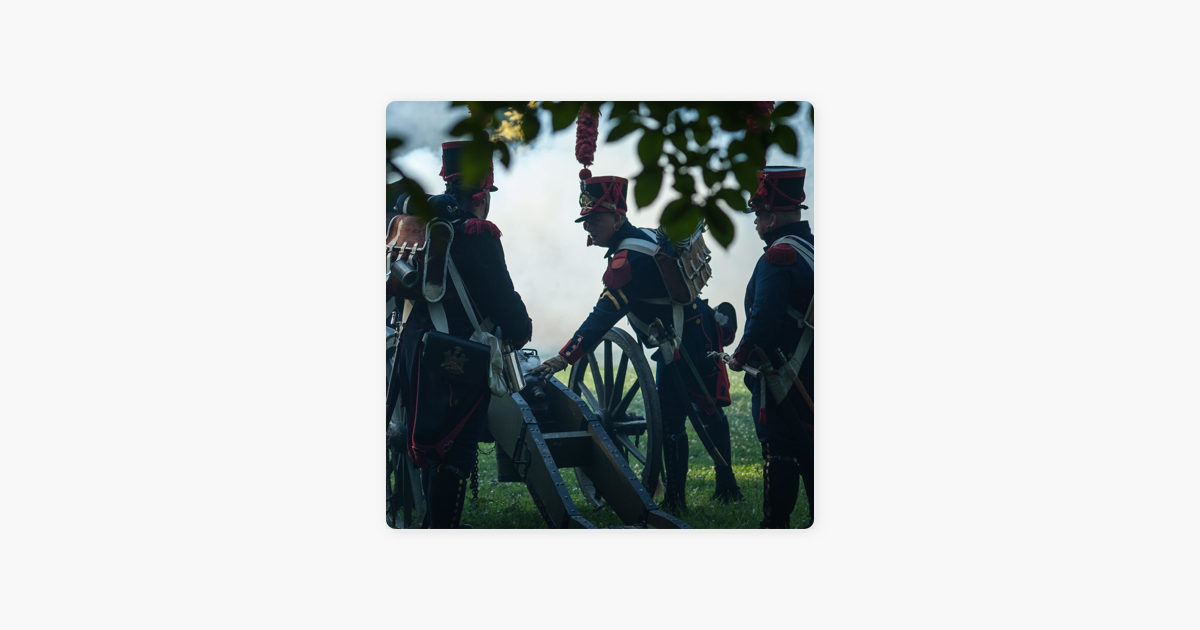
We all know that during a flogging, especially when the punishment is over 300-lashes, the battalion was always ordered to be present, to witness the punishment.  The reason being of course was to discourage the onlookers to repeat the same crime.  I can also see another use for the battalion forming a square around the soldier, as the formation would reduce the risk of the prisoner believing he could run away.

However, being a former Guardsman and having done thousands of drills and pre-parades such as the rehearsals for the Trooping of the Colour, I find is easy to comprehend a Sergeant Major’s need for a maximum time spent on training the men to form squares against cavalry.   In the case of the Waterloo squares, the whole army was moved back 100-paces, and following so much mayhem while under fire from the enemy, it must have needed…
88 Views

West India Regiments in the War of 1812

Tim Lockley joins me to unpick the story of Britain's 'slave regiments', and explain the important role that they played in the War of 1812.


Enjoy bonus episodes from £1 a month at https://www.patreon.com/thenapoleonicwarspod


Twitter: @zwhitehistory | @TimLockley


A very informative podcast where the topic is discussed from multiple angles, very interesting to listen to and to absorb all the information.


83 Views
tomholmberg
Dec 05, 2022

Two good books that deal with this: Slaves in Red Coats by Roger Norman Buckley, and Freedom's Debtors by Padraic Scanlan

China in the Napoleonic Era

Chinese history is always fascinating. The Napoleonic era was no exception. Josh Provan opens our eyes to what was going on in China before, during and after the Napoleonic era, how the nation was on the cusp of sliding into anarchy, and why the British were busy being awful.


Twitter: @zwhitehistory | @LandofHistory


Support the show at: https://www.patreon.com/thenapoleonicist


87 Views

Napoleonic France: A State of Terror?

In episode 150, Beatrice de Graaf joins me to discuss how Napoleon's police state operated, how unique it really was, and why terror lay at the heart of state control during this period.


Twitter: @zwhitehistory | @beatricedegraaf


Book to attend Beatrice's Wellington Lecture https://www.eventbrite.co.uk/e/33rd-wellington-lecture-tickets-417813309857


Support the show at: https://www.patreon.com/thenapoleonicist


So Zack produced 150 episodes already, a quite staggering number and huge effort. Do I see Boney's regime as a state of terror? I see his state more like a police state where he perfected how to controll the press and public life and syping onto his own people even closest subordinates - percecting surveillance - and I cannot see any other state in europe where the control of their own people was devoted such huge enery and massive personal interest as in the case of Boney. His system served well as a blue print for police and terror states to…

128 Views
Hans - Karl Weiß
Hans - Karl Weiß
Oct 15, 2022

so what other terms would you suggest, terror, terreur, was a well established expression in the 18th century as de Graaf points out and had like Partizans then a different kind of meaning and understanding, I agree with you that Boney perfected the system to such an extend, that other States were ready to take it as an example for their own development of secret police, the press and so on. Beatrice de Graafs certainly benefits from their multi linguistic skills and their broad scope of knowledge of then and of today.

bottom of page